Making a Scottish injury claim: handling it yourself or instructing a solicitor
Understanding your options after an accident in Scotland
If you have been injured in an accident that was not your fault, you have a decision to make early on. You can notify the other side directly and try to settle the matter yourself, or you can pass the case to a solicitor who will manage the process for you. Each route has its own advantages and drawbacks, and the right choice depends on the circumstances of your case, your confidence with paperwork, and the complexity of the injury itself.
Scotland has its own legal system, which means the rules around personal injury claims differ from those in England and Wales. The time limits, the way liability is assessed, and the procedure for claiming compensation all follow Scottish law. That is why understanding your options in the context of a Scottish injury claim matters from the start.
Handling a claim yourself: what it involves
Making a claim without a solicitor means you take responsibility for every stage. You notify the person or organisation you believe is at fault, you gather evidence such as photographic evidence and witness statements, and you negotiate any offer of compensation directly. For a straightforward incident where liability is clear and your injuries are minor, this can work well.
The first step is to send a claim notification to the other party. This is a formal letter that sets out the date and location of the accident, the injuries you sustained, and why you believe they are at fault. The other side then has a period to respond, usually admitting or denying liability. If they admit fault, the conversation moves to valuing your injuries and any financial losses you have incurred.
You will need to gather supporting evidence yourself. An accident report, if one was made at the time, can be very useful. Photographs of the scene, your injuries, and any damage to property help build your case. Witness statements from people who saw what happened add weight to your version of events. Medical evidence is also important: you will need a doctor or hospital report that confirms the nature and extent of your injuries, and how long they are expected to last.
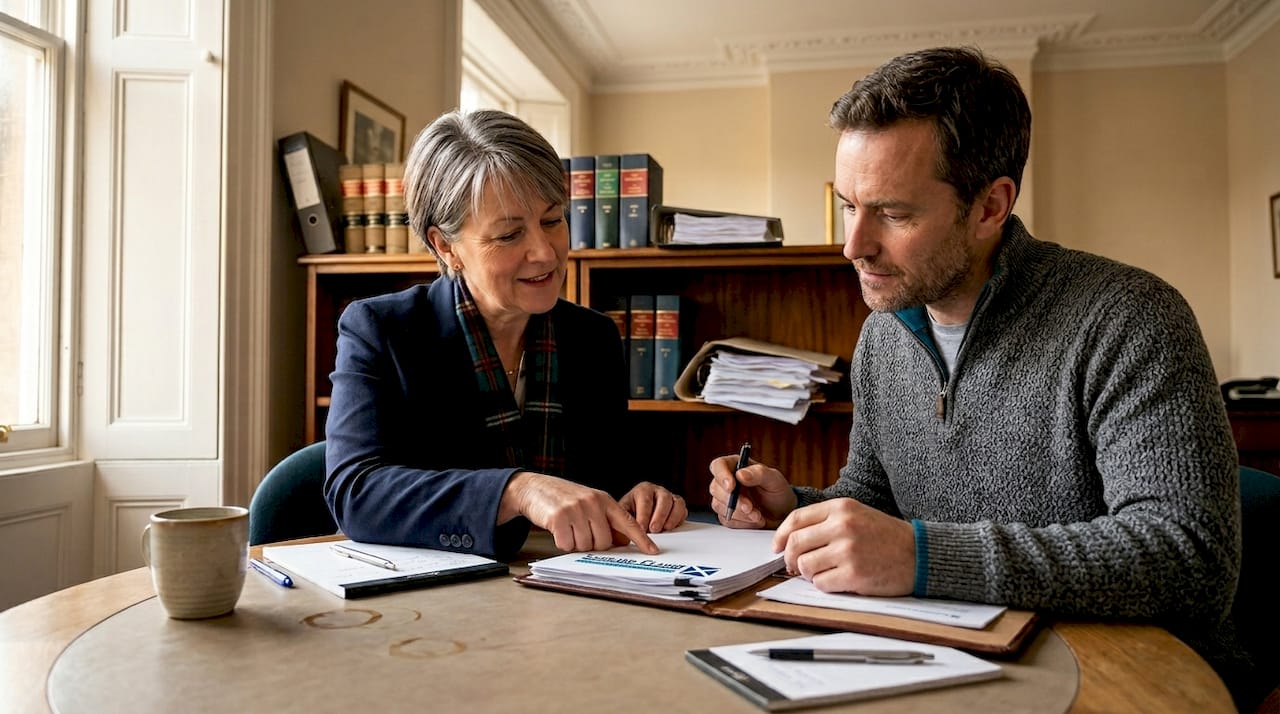
One advantage of handling things yourself is that you keep full control. You decide when to accept an offer and when to push back. There are no solicitor fees to worry about, and for a small claim the process can be quicker because there is less back-and-forth between professionals. However, the other side may have legal representation, which can make negotiations feel one-sided. You also have to manage the paperwork, the deadlines, and the possibility of a counter-argument about contributory negligence.
Instructing a solicitor: when it makes sense
Bringing a solicitor into your case changes the dynamic. They handle the claim notification, the gathering of evidence, and the negotiations on your behalf. For many people, this removes a significant burden at a time when they are recovering from an injury. A solicitor experienced in Scottish injury claim work will know the local court rules, the typical timescales, and how to present medical evidence effectively.
A solicitor consultation is usually free at the outset, and many personal injury solicitors in Scotland offer a no win no fee arrangement. That means you do not pay legal fees unless your claim succeeds. This makes professional representation accessible even if you are on a tight budget. The solicitor will assess your case during the initial meeting and advise you on the strength of your claim, the likely compensation range, and whether it is worth pursuing.
Once instructed, the solicitor will send the claim notification, chase the other side for a response, and coordinate the medical evidence. They will also advise you on the claim deadline, which in Scotland is generally three years from the date of the accident or from the date you first became aware of your injury. Missing this deadline can lose your right to compensation entirely, so having a professional keeping track of the calendar is a real benefit.
If liability is disputed, the solicitor can prepare the case for court. They will handle the procedural steps, from lodging a writ to negotiating a settlement before trial. Most cases settle out of court, but knowing that your solicitor is ready to go to court if needed can strengthen your negotiating position.
Comparing the two approaches side by side
The main trade-off is between control and convenience. When you handle a claim yourself, you are in charge of every decision and every piece of correspondence. That suits people who are comfortable with paperwork, who have a clear and simple case, and who want to avoid sharing a portion of their compensation. On the other hand, instructing a solicitor means you hand over the day-to-day management of the claim. You still make the final decision on whether to accept a settlement, but the solicitor guides you on what is fair.
Another factor is the complexity of the injury. If you have suffered whiplash or a minor soft tissue injury with a clear cause, the claim may be straightforward. The other side may admit liability quickly, and the medical evidence may be easy to obtain. In that situation, a direct claim can work well. But if your injury is more serious, if there is disagreement about who was at fault, or if you have lost income or incurred significant expenses, a solicitor's experience becomes more valuable. They know how to quantify losses properly and how to present them in a way that maximises your settlement.
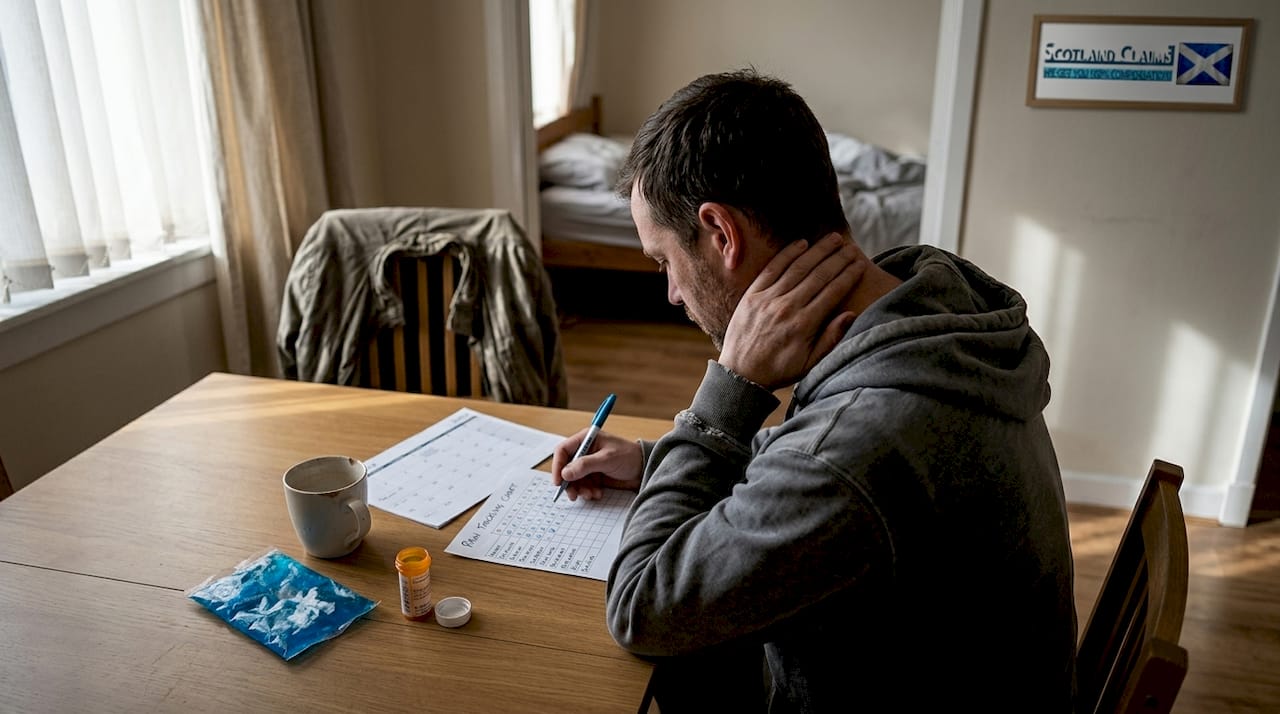
The emotional side also matters. Recovering from an injury is stressful enough without having to argue with an insurance company about the value of your pain. Many people find that letting a solicitor handle the negotiations allows them to focus on getting better. This is especially true after a road traffic accident, where the shock of the event can linger. If you need help after a road accident, having a professional manage the claim can make a real difference to your recovery.
It is also worth considering the other party's behaviour. If they are cooperative and admit fault early, a direct claim may be straightforward. But if they deny liability, delay responding, or make a low offer, you may find yourself wishing you had professional support from the start. A solicitor can push back effectively and knows the tactics that insurers sometimes use to minimise payouts.
Practical steps whichever route you choose
Regardless of whether you go it alone or instruct a solicitor, there are things you should do as soon as possible after an accident. Seek medical attention, even if your injuries seem minor. Some conditions, like whiplash, can take days to become fully apparent. A medical record created soon after the accident is strong evidence later on.
Make your own record of what happened. Write down the date, time, location, and the events leading up to the accident. Note the names and contact details of any witnesses. Take photographs of the scene, the vehicles involved (if it was a road accident), and your injuries. Keep any receipts for expenses related to your injury, such as prescription charges, travel to medical appointments, or physiotherapy sessions.
Think about the claim deadline. In Scotland, you generally have three years from the date of the accident or from the date you became aware of your injury to start court proceedings. If you are handling the claim yourself, mark that date on your calendar and set reminders well in advance. If you are using a solicitor, they will track it for you, but it is still wise to instruct them as early as possible to avoid a last-minute rush.
Consider the strength of the evidence. Liability must be proven on the balance of probabilities, meaning it is more likely than not that the other party was at fault. If there is no independent witness and the facts are disputed, the case becomes harder to prove. A solicitor can advise you on whether your evidence is strong enough, and whether it is worth pursuing the claim at all.

Making the decision that fits your situation
There is no single right answer. A straightforward claim with clear liability and minor injuries may be perfectly manageable on your own. A more complex case, or one where the other side is uncooperative, will probably benefit from professional handling. Your own comfort with legal processes, your availability to chase correspondence, and your current physical and emotional state all play a part.
If you are unsure, you can always start by seeking a solicitor consultation. Many solicitors offer an initial chat at no cost and with no obligation. They can give you a realistic view of your case and let you decide whether you want to proceed on your own or with their help. That initial advice alone can be valuable, even if you later choose to handle the claim yourself.
The key is not to delay. Evidence fades, memories blur, and the claim deadline ticks forward. Whether you decide to manage the process yourself or bring in a solicitor, the sooner you act, the stronger your position. And if you are still recovering and feel overwhelmed, remember that professional support is available. People who need help after a road accident often find that sharing the burden with a solicitor is the most sensible step they can take.
Corrections
Spot something wrong? Send it to the desk and it gets fixed in the open.